TikiTaka Online Casino – Quick Play, Big Wins on the Go

The first time I opened the TikiTaka app on my phone, I was ready for a burst of adrenaline. I had just finished a long workday and wanted a quick escape that wouldn’t linger in my mind for hours. TikiTaka delivers that exact vibe: a slick mobile interface, a handful of high‑paying slots, and a few live tables that can be dropped in and out of within minutes.

Why Short, High‑Intensity Sessions Work

Most players who gravitate toward TikiTaka do so because they relish fast, decisive gameplay. The platform’s design supports this rhythm: spins, bets, and payouts happen almost instantaneously, keeping the fun cycle tight.

  • Spin → Win → Spin again, all within seconds.
  • Instant payout notifications keep your adrenaline pumping.
  • Quick exit options mean you’re not glued to the screen for long.

In a single session you might play three or four rounds of a jackpot slot before deciding to switch to a quick blackjack hand or hop into the live dealer area for a few rounds of roulette.

Mobile‑First Interaction

The mobile casino is a powerhouse of efficiency. Navigation is intuitive: the home screen highlights the most popular slots and the live casino floor is just one tap away. The layout prioritizes high‑impact games that produce instant feedback.

  • Touch‑based controls for instant spin or hit/call.
  • Push notifications for big wins or reload offers.
  • One‑tap deposits and withdrawals via e‑wallets.

Because you’re on the move—whether on a train or waiting in line—you can jump back into a game and finish a cycle before your commute ends.

Choosing the Right Slot for Quick Wins

Among the roughly 4500 titles available, the standout for rapid sessions are the high volatility slots from NetEnt and Playtech. These games offer big paydays but also quick stops when the reels land on low‑pay combos.

  • Reels spin in under two seconds.
  • Paylines activate almost immediately.
  • Bonus triggers are often random and frequent.

Players typically set a small budget for a session—say, A$10—and spin until they hit a win or hit the stop‑loss threshold. The satisfaction comes from seeing the balance update instantly.

Risk Tolerance in Fast Play

Short sessions encourage controlled risk: players rarely go beyond a few bets per slot cycle. The thrill comes from knowing that each spin could be the final one before you log off.

  • Bet sizes are usually modest: one or two credits per spin.
  • A quick stop after a losing streak preserves bankroll for another session.
  • The sense of urgency keeps players engaged without overextending.

This disciplined approach keeps the experience light and enjoyable, ideal for those who want to test their luck without committing to lengthy playtime.

Live Casino: The Instant Thrill of Dealer Interaction

The live dealer section offers an immediacy that traditional online tables can’t match. Each game runs in real time over a high‑definition stream, allowing players to place bets with only a few clicks before the dealer deals.

  • Live chat with the dealer adds personal touch.
  • Round times are short—usually under five minutes.
  • Quick hand decisions keep the pace fast.

When you hit a winning hand in blackjack or get a lucky number in roulette, the payout is announced immediately, reinforcing that high‑intensity feel.

Quick Decision-Making in Live Games

Players often use preset betting strategies that require minimal thinking—such as doubling after a win or stopping after three consecutive losses. This approach fits perfectly into short bursts.

  • Pre‑set bet tiers (e.g., $1, $2, $4).
  • Automatic stop after reaching a target win amount.
  • Single‑hand decision limits keep sessions crisp.

The result? A flow that feels like a rapid series of mini‑tournaments rather than a marathon.

Instant Games: Quick Fun Without Commitment

TikiTaka’s instant game collection offers non‑slot experiences that are equally fast. Think of simple card mashups or quick decision puzzles that can be completed in under a minute each.

  • Fast load times—under two seconds per game.
  • No registration required; play instantly after login.
  • Payouts are credited within seconds if you win.

These games are perfect filler between spins or live rounds, keeping your energy levels high while you wait for your next bet to resolve.

Session Flow Example

A typical high‑intensity session might look like this:

  • 00:00–00:02: Spin slot; win A$50 → stop after hitting target win.
  • 00:03–00:07: Jump to live blackjack; play three hands; cash out when bankroll dips below threshold.
  • 00:08–00:10: Play an instant card game; win A$10; decide whether to continue or log off.

This cycle can be repeated multiple times during a single evening without feeling overworked.

The Language Advantage: Comfort Everywhere

TikiTaka supports an impressive roster of languages—from English and Spanish to Greek and Arabic—making it easy for players worldwide to navigate without language barriers.

  • User interface customizes automatically based on device settings.
  • Help content is available in all supported languages.
  • Live chat support is multilingual and available 24/7.

This accessibility ensures that the fast pace isn’t hindered by confusing menus or unclear instructions.

Cryptocurrency Friendly

The platform accepts Bitcoin, Dogecoin, Litecoin, Tether, and Revolut among others. Deposits via crypto are instant, which is ideal for quick play sessions where every second counts.

  • No waiting for bank transfers—funds appear instantly.
  • Low transaction fees compared to traditional banking methods.
  • Anonymity appeals to players seeking discretion during short bursts of play.

This flexibility enhances the overall speed of accessing funds and collecting winnings quickly.

The Ratings Speak Volumes

A solid 4.7 rating from player reviews indicates high satisfaction with TikiTaka’s fast‑paced offerings. Players appreciate the immediacy of payouts and the ease of switching between game types without friction.

  • A high rating reflects low downtime between games.
  • User feedback highlights quick customer support responses.
  • The platform’s reliability contributes to repeat visits in short sessions.

This trust factor encourages new users to try their luck in brief but thrilling bursts rather than committing to long sessions that might feel tedious.

Limited Responsible Gambling Tools

TikiTaka does have a limited set of responsible gambling features—such as loss limits and session timers—though they’re not as extensive as some competitors. For players who prefer short sessions with minimal risk exposure, this setup aligns well with their play style.

  • Session timers can be set manually to enforce breaks.
  • Deposit limits are available upon request.
  • Self‑exclusion options exist but require contacting support directly.

The lean approach keeps the focus on quick wins without bogging down the user experience with too many prompts during play.

Getting Started Quickly: Registration and Funding

The registration process is streamlined—just provide your email, choose a password, and confirm via SMS or email verification. From there, you can immediately deposit via any supported method, including credit cards or e‑wallets like Skrill and Neteller which process instantly.

  • No lengthy KYC steps for small deposits (<$50).
  • First deposit triggers instant bonus credit (if opted).
  • E‑wallet withdrawals take just minutes compared to days for bank transfers.

This simplicity means you can jump straight into gameplay within minutes of signing up—a crucial factor for players eager to start spinning right away.

A Sample Workflow

  1. Create account: 1 minute scan of email and phone number.
  2. Add funds: Upload card details; instant credit appears on balance screen.
  3. Select game: Spin slot; win A$10; decide to pull out or continue.
  4. Withdraw: Click “Withdraw” → choose e‑wallet → confirm → funds received within 24 hours.

This straightforward flow mirrors the core player behavior pattern—short bursts of action followed by quick exit or reset.

The Final Pick: Why TikiTaka Is Perfect for Quick Play Enthusiasts

If your gaming preference leans toward high intensity, rapid results, and mobile convenience, TikiTaka fits the bill squarely. The combination of fast loading slots, live dealer immediacy, instant games, and easy banking creates an environment where each session feels like a sprint rather than a marathon.

  • Sleek mobile design keeps you engaged without clutter.
  • Fast payouts reinforce quick wins and motivate repeated sessions.
  • Diverse language support removes friction for global players on the go.

The platform’s focus on speed and simplicity aligns perfectly with those who want to test their luck without investing hours into one continuous session. It’s built for people who thrive on the rush of quick decisions and immediate feedback—a true playground for short‑session gamers worldwide.

MOVE INTO ACTION – CLAIM YOUR BONUS NOW!

If you’re ready to experience that instant thrill, sign up today at TikiTaka and take advantage of their welcome offer: double your first deposit up to A$750 plus 200 free spins on popular slots. Don’t let this chance slip by—your next big win could be just a spin away!
Share

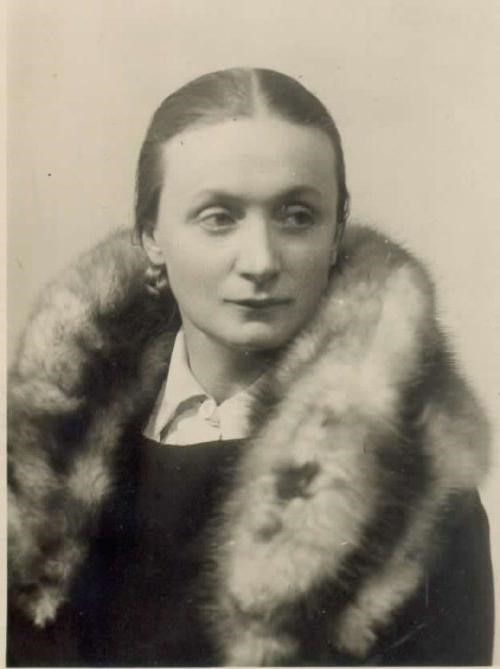
Elvira Kralj
1900 – 1978

Too nice to be remembered?
Elvira Kralj was a Slovenian actress born in Trieste (then part of Austro-Hungarian Empire). She was born into a family that was politically engaged in defending the Slovenian national cause. The whole family was related to Sokol, a left-wing association addressing physical culture. Elvira was a member of several associations embracing different social causes though not the women’s cause specifically.

She started acting at the age of five when she played Cinderella on a stage in Trieste. After completing her studies in the local German Elementary School and two years of studies at the German Higher Trade School for Girls – boys and girls attended different schools, she started working in a law firm in Trieste. Later she graduated from a Drama school. She embodied more than 200 roles in the Maribor Theatre, and began working in the Ljubljana’s Drama, the national theatre. She convincingly portrayed a multitude of different female characters, from a kind grandmother, a nice aunt, a suffering mother, a tough woman, to evil, ironic characters on the theatre stage, TV and film screen. Her most visible role was that of the kind, loving and caring aunt (typically accepted female characteristics) in the iconic film Do Not Wait for May. Why was Elvira belittled? Despite her many roles for which she was casted...
continue reading

Elvira Kralj
1900 – 1978

Too nice to be remembered?
Elvira Kralj was a Slovenian actress born in Trieste (then part of Austro-Hungarian Empire). She was born into a family that was politically engaged in defending the Slovenian national cause. The whole family was related to Sokol, a left-wing association addressing physical culture. Elvira was a member of several associations embracing different social causes though not the women’s cause specifically.

She started acting at the age of five when she played Cinderella on a stage in Trieste. After completing her studies in the local German Elementary School and two years of studies at the German Higher Trade School for Girls – boys and girls attended different schools, she started working in a law firm in Trieste. Later she graduated from a Drama...
continue reading

Elvira Kralj
1900 – 1978

Too nice to be remembered?
Elvira Kralj was a Slovenian actress born in Trieste (then part of Austro-Hungarian Empire). She was born into a family that was politically engaged in defending the Slovenian national cause. The whole family was related to Sokol, a left-wing association addressing physical culture. Elvira was a member of several...
continue reading

Karla Bulovec Mrak
1895 – 1957

She was trying hard to get out of the cage
KARLA BULOVEC MRAK was a Slovenian sculptor, painter and writer who lived in three successive States that existed on the same territory. The Austro-Hungarian Empire, the Kingdom of Yugoslavia and the Socialist Federal Republic of Yugoslavia. Karla was a stubborn and rebellious person which caused her many problems and regardless of the State, she was always marginalized. She was well educated but decided to be, not a teacher, but a (female) sculptor which was not in conformity with social expectations. In 1917 she left the cage of the small provincial city of Ljubljana, and went to Munich, Vienna, Prague and Paris, where she felt relatively freed of social chains. She participated in joint exhibitions with famous Slovenian and European artists in different European countries. Her independent exhibitions, however, were sharply criticized.

She was looked down on because she was poor most of her life and did not conform with social norms. Still, present-day texts about her and her work start with “Karla Bulovec was married to Ivan Mrak”. Likewise in France the socially disturbing Simone de Beauvoir was often referred to as Jean Paul Sartre’s companion, Karla was not referred to by name. Her husband accepted her otherness and understood her, but he himself was...
continue reading

Karla Bulovec Mrak
1895 – 1957

She was trying hard to get out of the cage
KARLA BULOVEC MRAK was a Slovenian sculptor, painter and writer who lived in three successive States that existed on the same territory. The Austro-Hungarian Empire, the Kingdom of Yugoslavia and the Socialist Federal Republic of Yugoslavia. Karla was a stubborn and rebellious person which caused her many problems and regardless of the State, she was always marginalized. She was well educated but decided to be, not a teacher, but a (female) sculptor which was not in conformity with social expectations. In 1917 she left the cage of the small provincial city of Ljubljana, and went to Munich, Vienna, Prague and Paris, where she felt relatively freed of social chains. She participated in joint exhibitions with famous Slovenian and European artists in different European countries. Her independent exhibitions, however, were sharply criticized.

She was looked down on because she was poor most of her life and did not conform with social norms. Still, present-day texts about her and her work start with “Karla Bulovec was married to Ivan Mrak”. Likewise in France the socially disturbing...
continue reading

Karla Bulovec Mrak
1895 – 1957

She was trying hard to get out of the cage
KARLA BULOVEC MRAK was a Slovenian sculptor, painter and writer who lived in three successive States that existed on the same territory. The Austro-Hungarian Empire, the Kingdom of Yugoslavia and the Socialist Federal Republic of Yugoslavia. Karla was a stubborn and rebellious person which caused her many problems and regardless of the State, she was always marginalized. She was well educated but decided to be, not a teacher, but a (female) sculptor which was not in conformity with social expectations. In 1917 she left the cage of the small provincial city of Ljubljana, and went to Munich, Vienna, Prague and Paris...
continue reading

Ilka Burger Vašte
1891 – 1967

Rebellious throughout her life
ILKA BURGER VAŠTE was one of the most prolific Slovenian female writers, a novelist who wrote ten historical novels. She attended a secondary teachers’ college and served as a teacher at the Cyril Method School in Trieste and the Girls’ school in Ljubljana. She embraced the career of a teacher, which was the only convenient profession for women in those days. Women could be either housewives, if they were married, or teachers, if they were single. She was interested in literature and painting, which she learned from Ivana Kobilica, a famous Slovenian female painter. In her novel Mejaši (Neigbours at the border) she revived the national struggle of the Slovenians against the Lombards. She was known for her deep anti-clerical and liberal beliefs. Except for a street in her native Novo mesto named after her, nothing much is known about her and she definitely belongs on the lists of belittled Slovenian female artists.

She wrote: Because I was a shy and obedient little girl, I bitterly mocked courageous women who were fighting for women’s equal rights, but became aware rather soon that I was treated unfairly just because I was a woman. I was in the shadow, because I knew very well that my parents expected me to do so, but at the same time I decided that by my own force I would gain my place in the sunshine”
continue reading

Ilka Burger Vašte
1891 – 1967

Rebellious throughout her life
ILKA BURGER VAŠTE was one of the most prolific Slovenian female writers, a novelist who wrote ten historical novels. She attended a secondary teachers’ college and served as a teacher at the Cyril Method School in Trieste and the Girls’ school in Ljubljana. She embraced the career of a teacher, which was the only convenient profession for women in those days. Women could be either housewives, if they were married, or teachers, if they were single. She was interested in literature and painting, which she learned from Ivana Kobilica, a famous Slovenian female painter. In her novel Mejaši (Neigbours at the border) she revived the national struggle of the Slovenians against the Lombards. She was known for her deep anti-clerical and liberal beliefs. Except for a street in her native Novo mesto named after her, nothing much is known about her and she definitely belongs on the lists of belittled Slovenian female artists.

She wrote: Because I was a shy and obedient little girl, I bitterly mocked courageous women who were...
continue reading

Ilka Burger Vašte
1891 – 1967

Rebellious throughout her life
ILKA BURGER VAŠTE was one of the most prolific Slovenian female writers, a novelist who wrote ten historical novels. She attended a secondary teachers’ college and served as a teacher at the Cyril Method School in Trieste and the Girls’ school in Ljubljana. She embraced the career of a teacher, which was the only convenient profession for women in those days. Women could be...
continue reading

Maria Isabel Aboim Inglez
1902 – 1963

The indomitable, the woman without fear, a woman of unshakable tenacity, there are several epithets attributed to her and that we revisit today
At the age of 20 she married Carlos Aboim Inglez, whose father had been a minister in the First Republic. Both democrats, their house became a meeting point for political figures. When her husband fell ill with cancer, she decided, with 5 children, to take a degree in Literature. She became a widow at almost 40 years old and had to work hard, because she was persecuted for not being catholic and being anti-fascist. She started her political activity with the Democratic Unity Movement being the first woman to belong to the central commission (1946-1948) and later on, in 1949 in the National Democratic Movement, having an active participation in the presidential elections. Salazar used two forms of repression against her: not only imprisonment, she was arrested 3 times between 1946-1948, preventing her by all means from earning a living. In 1948, she was forbidden to run the women’s college that she had set up with her husband and where she was a teacher, which promoted a secular, progressive and social education, where students from different social strata crossed paths in the same classes. On February 11, 1949, the school was definitively closed, in retaliation for the outstanding role she had been assuming in the opposition to the regime. In the same year she was forbidden from teaching by the government...
continue reading

Maria Isabel Aboim Inglez
1902 – 1963

The indomitable, the woman without fear, a woman of unshakable tenacity, there are several epithets attributed to her and that we revisit today
At the age of 20 she married Carlos Aboim Inglez, whose father had been a minister in the First Republic. Both democrats, their house became a meeting point for political figures. When her husband fell ill with cancer, she decided, with 5 children, to take a degree in Literature. She became a widow at almost 40 years old and had to work hard, because she was persecuted for not being catholic and being anti-fascist. She started her political activity with the Democratic Unity Movement being the first woman to belong to the central commission (1946-1948) and later on, in 1949 in the National Democratic Movement, having an active participation in the presidential elections. Salazar used two forms of repression against her: not only imprisonment, she was arrested 3 times between 1946-1948, preventing her by all means from earning a living. In 1948, she was forbidden to run the women’s college that she had set up with her husband and where she was a teacher, which promoted a secular, progressive...
continue reading

Maria Isabel Aboim Inglez
1902 – 1963

The indomitable, the woman without fear, a woman of unshakable tenacity
At the age of 20 she married Carlos Aboim Inglez, whose father had been a minister in the First Republic. Both democrats, their house became a meeting point for political figures. When her husband fell ill with cancer, she decided, with 5 children, to take a degree in Literature. She became a widow at almost 40 years old and had to work hard, because she was persecuted for not being catholic and being anti-fascist. She started her political activity with the Democratic...
continue reading

Maria José Estanco
1905 – 1999

They ironized that the construction would not stand... but the door was left open for future female architects
Born in Loulé, Maria José entered the School of Fine Arts to study painting. For family reasons she interrupted her studies and moved to Brazil for 2 years, where she witnessed the birth of the city of Marília, working with the Belgian engineer who directed the work. Influenced by this experience, when she returned to Lisbon she began studying Architecture, where, in 1942, she received the award for “best student in Architecture”.

Thus emerged the first Portuguese woman architect. However, despite being considered the best student, she couldn’t enter the working world because the mentalities of the time couldn’t believe that a woman was capable of making a feasible project. Even in newspapers there were caricatures of her making fun of her professional choice. It was all so difficult that she began to dedicate herself to interior decorating and furniture making. Free of charge, she created a section on these areas in the magazine M&B and taught Drawing and Painting classes at the Linhó Prison. She applied to teach and was a teacher at two High Schools. And at the Odivelas Institute.
continue reading

Maria José Estanco
1905 – 1999

They ironized that the construction would not stand... but the door was left open for future female architects
Born in Loulé, Maria José entered the School of Fine Arts to study painting. For family reasons she interrupted her studies and moved to Brazil for 2 years, where she witnessed the birth of the city of Marília, working with the Belgian engineer who directed the work. Influenced by this experience, when she returned to Lisbon she began studying Architecture, where, in 1942, she received the award for “best student in Architecture”.

Thus emerged the first Portuguese woman architect. However, despite being considered the best student, she couldn’t enter the working world because the mentalities of the time couldn’t believe that a woman was capable of making a feasible project. Even in newspapers there were caricatures of her making fun of her professional choice. It was all so difficult that she began to dedicate herself to interior decorating and furniture making. Free of charge, she created a section on these areas in the magazine M&B and taught Drawing and Painting classes at the Linhó...
continue reading

Maria José Estanco
1905 – 1999

They ironized that the construction would not stand... but the door was left open for future female architects
Born in Loulé, Maria José entered the School of Fine Arts to study painting. For family reasons she interrupted her studies and moved to Brazil for 2 years, where she witnessed the birth of the city of Marília, working with the Belgian engineer who directed the work. Influenced by this experience, when she returned to Lisbon she began studying Architecture, where, in 1942, she received the award for “best student in...
continue reading

Florbela Espanca
1894 – 1930

Rebellious affirmation of a destiny in the feminine
Born in Vila Viçosa on December 8, 1894, from an early age her life was marked by several instabilities, which deeply influenced her literary work. Her life, of only 36 years, victim of suicide, after the diagnosis of a pulmonary edema, was tumultuous, restless and full of intimate sufferings, which the author knew how to transform into poetry of the highest quality, loaded with eroticization and femininity.

In 1919, and among more than 300 students, Florbela was one of 14 women to be accepted at the University of Lisbon Law School. However, the first attempts to promote her poetry failed when she was unsuccessful at attracting the attention of literary critics. Florbela Espanca spent a short stay in Guimarães – in November 1923 – while recovering from a relapse, during which she came into contact with some people from the small community.
continue reading

Florbela Espanca
1894 – 1930

Rebellious affirmation of a destiny in the feminine
Born in Vila Viçosa on December 8, 1894, from an early age her life was marked by several instabilities, which deeply influenced her literary work. Her life, of only 36 years, victim of suicide, after the diagnosis of a pulmonary edema, was tumultuous, restless and full of intimate sufferings, which the author knew how to transform into poetry of the highest quality, loaded with eroticization and femininity.

In 1919, and among more than 300 students, Florbela was one of 14 women to be accepted at the University of Lisbon Law School. However, the first attempts to promote her poetry failed when she was unsuccessful at attracting the attention of literary critics. Florbela Espanca spent a short stay in Guimarães – in November 1923 – while recovering from a relapse, during which she came into contact with some people from the small community.
continue reading

Florbela Espanca
1894 – 1930

Rebellious affirmation of a destiny in the feminine
Born in Vila Viçosa on December 8, 1894, from an early age her life was marked by several instabilities, which deeply influenced her literary work. Her life, of only 36 years, victim of suicide, after the diagnosis of a pulmonary edema, was tumultuous, restless and full of intimate sufferings, which the author knew how to transform into poetry of the highest quality, loaded with eroticization and femininity.

In 1919, and among more than 300 students, Florbela was one of 14 women to be accepted at the University of Lisbon Law...
continue reading

Gerda Taro
1910 – 1937

Pioneer of war photography
Gerda Taro, maiden name Pohorylle, was born in Stuttgart and educated in Leipzig, Germany. As she was from a Jewish family, she fleed from the Nazis to Paris in 1933. There she lived a bohemian lifestyle with her friend Ruth Cerf and eventually met Endre Ernő Friedmann, better known today as Robert Capa. Together, they started documenting the Spanish Civil War in 1935, after Gerda had invented their alter egos in order to better sell Endre’s and her own pictures. Inspired by their own political convictions, they only took pictures of the fight of the republican soldiers against the rebellious francoist soldiers. Both of them tried to be as close to the action as possible – a goal which eventually led to Gerda’s death. Despite the fact that her pictures only cover 1 year of the war, her pictures are those that went around the world. Together with Robert Capa and with David Seymour, during this short period of time she developed modern war photography as we know it today. Since she officially was Capa’s agent and he sold many of her pictures as his own, it took until the 2000s until people began to recognize her as an artist in her own right rather than just his partner: In 2007, the so-called Mexican Suitcase was found in Mexico City, a suitcase containing thousands of negatives believed to be lost by Capa, Taro and Seymour. Since then, many photographs originally attributed to Capa are known to have been taken by Gerda. However, during her short life, Taro was well known and when she was killed in 1937 by a tank, – she was only 26 – thousands of people attended her funeral in Paris. The funeral procession...
continue reading

Gerda Taro
1910 – 1937

Pioneer of war photography
Gerda Taro, maiden name Pohorylle, was born in Stuttgart and educated in Leipzig, Germany. As she was from a Jewish family, she fleed from the Nazis to Paris in 1933. There she lived a bohemian lifestyle with her friend Ruth Cerf and eventually met Endre Ernő Friedmann, better known today as Robert Capa. Together, they started documenting the Spanish Civil War in 1935, after Gerda had invented their alter egos in order to better sell Endre’s and her own pictures. Inspired by their own political convictions, they only took pictures of the fight of the republican soldiers against the rebellious francoist soldiers. Both of them tried to be as close to the action as possible – a goal which eventually led to Gerda’s death. Despite the fact that her pictures only cover 1 year of the war, her pictures are those that went around the world. Together with Robert Capa and with David Seymour, during this short period of time she developed modern war photography as we know it today. Since she officially was Capa’s agent and he sold many of her pictures as his own...
continue reading

Gerda Taro
1910 – 1937

Pioneer of war photography
Gerda Taro, maiden name Pohorylle, was born in Stuttgart and educated in Leipzig, Germany. As she was from a Jewish family, she fleed from the Nazis to Paris in 1933. There she lived a bohemian lifestyle with her friend Ruth Cerf and eventually met Endre Ernő Friedmann, better known today as Robert Capa. Together, they started documenting the Spanish Civil War in 1935, after Gerda had invented their alter egos in order to better sell Endre’s and her own pictures. Inspired by their own political convictions, they only took pictures of the fight of the republican...
continue reading

Margarete Schütte-Lihotzky
1897 – 2000

Architecture and communism: The inventor of the Frankfurt Kitchen
Magarethe Schütte-Lihotzky was one of the first female architects in Austria. Having grown up in the bourgeois Vienna society, she came into contact with the life realities of the poor working class during her studies. This sparked her interest to improve living conditions through the newly emerging social housing. Her most famous contribution was the “Frankfurt kitchen” (1926) which revolutionized the way kitchens were built. Schütte-Lihotzky designed her modular kitchen with the idea in mind that workflows can be optimized like in a factory in order to make life easier for the women who use it and who would (ideally) have more time for themselves. Politically, she sympathized with communist ideals after being disappointed with the European social democratic parties. In 1930 she is invited to work in Moscow to work in social housing projects. In 1939 she joined the Austrian Communist Party (KPÖ). After leaving Russia, she moved to Paris and then to Istanbul, where she became a member of an Austrian resistance group. In 1941 she was arrested shortly after returning to Austria and sent to serve a fifteen-year prison sentence in the women’s penitentiary in Aichach, Bavaria, from which she was liberated by allied troops in April 1945. She worked as a self-employed architect until 1969.
continue reading

Margarete Schütte-Lihotzky
1897 – 2000

Architecture and communism: The inventor of the Frankfurt Kitchen
Magarethe Schütte-Lihotzky was one of the first female architects in Austria. Having grown up in the bourgeois Vienna society, she came into contact with the life realities of the poor working class during her studies. This sparked her interest to improve living conditions through the newly emerging social housing. Her most famous contribution was the “Frankfurt kitchen” (1926) which revolutionized the way kitchens were built. Schütte-Lihotzky designed her modular kitchen with the idea in mind that workflows can be optimized like in a factory in order to make life easier for the women who use it and who would (ideally) have more time for themselves. Politically, she sympathized with communist ideals after being disappointed with the European social democratic parties. In 1930 she is invited to work in Moscow to work in social housing projects. In 1939 she joined the Austrian Communist Party (KPÖ). After leaving Russia, she moved to Paris and then to Istanbul, where she became a member of an Austrian resistance group. In 1941 she was arrested shortly after returning to Austria and sent to serve a fifteen-year prison...
continue reading

Margarete Schütte-Lihotzky
1897 – 2000

Architecture and communism: The inventor of the Frankfurt Kitchen
Magarethe Schütte-Lihotzky was one of the first female architects in Austria. Having grown up in the bourgeois Vienna society, she came into contact with the life realities of the poor working class during her studies. This sparked her interest to improve living conditions through the newly emerging social housing. Her most famous contribution was the “Frankfurt kitchen” (1926) which revolutionized the way kitchens were built. Schütte-Lihotzky designed her modular kitchen with the idea in mind that workflows...
continue reading

Marion Dönhoff
1909 – 2002

"I always wished I could see a day when we could come together on one side of the dividing river to exchange ideas, then cross the bridge together and continue on the other side."
Marion Countess Dönhoff was one of the most influential journalists of post-war Germany and editor of the prestigious weekly newspaper DIE ZEIT for 30 years. The highly educated noble woman fled east Prussia during the Russian invasion in 1945 – on horseback. Previously she had been managing the family estate for several years after returning from extensive travels through Europe, Africa, and America. Even though she had lost her beloved East Prussian homeland, she promoted the thought of “loving without possessing” rather than advocating the reclaiming of those territories. In her lifetime, she actively worked for reconciliation between the states of the Eastern Bloc and the West, supported West Germany’s active policy toward East Germany, rejected apartheid in South Africa, and continuously called for liberal thinking, tolerance, and justice in her writing. Marion Dönhoff had the ear of leading politicians during her day, among them Willy Brandt, Helmut Schmidt, and Richard von Weizsäcker. She not only overcame the challenges of being a refugee, losing many of her inherited privileges and her home, she also defied the restrictive female gender roles of her time, when most women were expected to be well-behaved wives and mothers and leave decision making to men. Not only did she have a voice as a leading intellectual with political influence, she also never married and was famous...
continue reading

Marion Dönhoff
1909 – 2002

"I always wished I could see a day when we could come together on one side of the dividing river to exchange ideas, then cross the bridge together and continue on the other side."
Marion Countess Dönhoff was one of the most influential journalists of post-war Germany and editor of the prestigious weekly newspaper DIE ZEIT for 30 years. The highly educated noble woman fled east Prussia during the Russian invasion in 1945 – on horseback. Previously she had been managing the family estate for several years after returning from extensive travels through Europe, Africa, and America. Even though she had lost her beloved East Prussian homeland, she promoted the thought of “loving without possessing” rather than advocating the reclaiming of those territories. In her lifetime, she actively worked for reconciliation between the states of the Eastern Bloc and the West, supported West Germany’s active policy toward East Germany, rejected apartheid in South Africa, and continuously called for liberal thinking, tolerance, and justice in her writing. Marion Dönhoff had the ear of leading politicians during her day, among them Willy Brandt, Helmut Schmidt, and Richard von Weizsäcker. She not only overcame the challenges of being a refugee, losing many...
continue reading

Marion Dönhoff
1909 – 2002

"I always wished I could see a day when we could come together on one side of the dividing river to exchange ideas"
Marion Countess Dönhoff was one of the most influential journalists of post-war Germany and editor of the prestigious weekly newspaper DIE ZEIT for 30 years. The highly educated noble woman fled east Prussia during the Russian invasion in 1945 – on horseback. Previously she had been managing the family estate for several years after returning from extensive travels through Europe...
continue reading

Ondina Peteani
1925 – 2003

It's nice to live free
Ondina Peteani is now considered the “first” partisan relay girl but it took years of constant work after her death, to bring her story to light.

Her son Giovanni tells of how she managed to escape from the Ravensbrück concentration camp, during a prisoner march. It was not the first time she had escaped: she had gotten away with it twice before arriving in Germany. Her story would be very adventurous as it is at this point. But Ondina never let nightmare No. 81627 (her code in Auschwitz), get in the way of her plans, her brilliant idea of life. After the war she chose to be a midwife. Together with her partner Gian Luigi Brusadin, a journalist for the “Unità,” she organized the first agency of Editori Riuniti, a lively place where people could meet and talk about politics. Then Ondina created summer camps for children and organized a tent city in Maiano after the Friuli earthquake (1976). And finally as a “gray panther” with her commitment in the CGIL trade union for retired people, she invoked without mincing words that “only a pact between generations can avoid isolation and injustice”. Her son continues bringing her experience to schools highlighting how fundamental the contribution and support of the Women’s Contingent was to the National Liberation Struggle. Their presenc...
continue reading

Ondina Peteani
1925 – 2003

It's nice to live free
Ondina Peteani is now considered the “first” partisan relay girl but it took years of constant work after her death, to bring her story to light.

Her son Giovanni tells of how she managed to escape from the Ravensbrück concentration camp, during a prisoner march. It was not the first time she had escaped: she had gotten away with it twice before arriving in Germany. Her story would be very adventurous as it is at this point. But Ondina never let nightmare No. 81627 (her code in Auschwitz), get in the way of her plans, her brilliant idea of life. After the war she chose to be a midwife. Together with her partner Gian Luigi Brusadin, a journalist for the “Unità,” she organized the first agency of Editori Riuniti, a lively place where people could meet and talk about politics. Then Ondina created summer camps for children and organized a tent city in Maiano after the Friuli earthquake (1976). And finally as a “gray panther” with her commitment in the CGIL trade...
continue reading

Ondina Peteani
1925 – 2003

It's nice to live free
Ondina Peteani is now considered the “first” partisan relay girl but it took years of constant work after her death, to bring her story to light.

Her son Giovanni tells of how she managed to escape from the Ravensbrück concentration camp, during a prisoner march. It was not the first time she had escaped: she had gotten away with it twice before arriving in Germany. Her story would be very adventurous as it is at this point. But Ondina never let nightmare No. 81627 (her code in Auschwitz), get in the way...
continue reading

Anna Kuliscioff
1855 – 1925

I hope, for the triumph of the cause of my sex, just a little more solidarity among women
Anna Kuliscioff, protagonist of Italian socialism and feminism, born in 1854 in Moskaja into a wealthy family of Jewish merchants, was encouraged to cultivate her studies with private teachers and became interested in politics at a very early age. In 1871 she moved to Zurich as women were forbidden to enter the University in Russia. In 1873 Russian students were ordered to leave the University of Zurich otherwise they wouldn’t have been admitted to the final examination in Russia. This was a provocation to women as they were accused of going abroad not for study reasons but for sexual leisure. In 1888, in Italy, Anna continued her studies specializing in gynecology, first in Turin, then in Padua. She first found out about the bacterial origin of puerperal fever saving millions of women from death after childbirth. She then began to practice medicine in Milan, travelling to the city’s poorest neighborhoods. She was called the “doctor of the poor.” She was never recognized as a doctor and this was mainly caused by her social and political position. In Milan she came in contact with exponents of feminism who in 1882 had formed the League for Women’s Interests. From here on, Anna’s commitment to the women’s question became increasingly clear and pressing, culminating in her speech at the Milan Philological Circle in April 1890: The Monopoly of Man. The innovative aspect of Anna Kuliscioff’s intervention, however, lies in the way she conceived gender equality:”It is not a condemnation at any cost of the other sex that women demand; on the contrary, they aspire to obtain the conscious and active cooperation of the best men, of those who, having emancipated themselves, at least in part, from sentiments based on customs, prejudices...
continue reading

Anna Kuliscioff
1855 – 1925

I hope, for the triumph of the cause of my sex, just a little more solidarity among women
Anna Kuliscioff, protagonist of Italian socialism and feminism, born in 1854 in Moskaja into a wealthy family of Jewish merchants, was encouraged to cultivate her studies with private teachers and became interested in politics at a very early age. In 1871 she moved to Zurich as women were forbidden to enter the University in Russia. In 1873 Russian students were ordered to leave the University of Zurich otherwise they wouldn’t have been admitted to the final examination in Russia. This was a provocation to women as they were accused of going abroad not for study reasons but for sexual leisure. In 1888, in Italy, Anna continued her studies specializing in gynecology, first in Turin, then in Padua. She first found out about the bacterial origin of puerperal fever saving millions of women from death after childbirth. She then began to practice medicine in Milan, travelling to the city’s poorest neighborhoods. She was called the “doctor of the poor.” She was never recognized as a doctor and this was mainly caused by her...
continue reading

Anna Kuliscioff
1855 – 1925

I hope, for the triumph of the cause of my sex, just a little more solidarity among women
Anna Kuliscioff, protagonist of Italian socialism and feminism, born in 1854 in Moskaja into a wealthy family of Jewish merchants, was encouraged to cultivate her studies with private teachers and became interested in politics at a very early age. In 1871 she moved to Zurich as women were forbidden to enter the University in Russia. In 1873 Russian students were...
continue reading

Franca Rame
1929 – 2013

Actress, writer and activist for the rights of women to be seen and respected
Franca was from Villastanza, Milan, born in a family with ancient theatrical traditions, mostly related to puppet and marionette theater, dating back to the 1600s: her father was an actor and her mother was first a teacher, then an actress. On June 24, 1954, she married actor Dario Fo. From their union on March 31, 1955, their son Jacopo was born in Rome. The Fo-Rame artistic partnership lasted for more than fifty years, with hundreds of shows in different genres: farce and commedia dell’arte (including “Isabella, tre caravelle e un cacciaballe”, from 1963, in which for the first time the protagonist was a “giullaressa” a typical male figure (giullare, in english jester) played by a woman and feminized in its name); political theater (including “Bandiere rosse a Mirafiori – basta con i fascisti!” by Fo, Rame and Lanfranco Binni, 1973); civil and social theater, including “Lo stupro” (the rape), which is the most dramatic demonstration of how theater was for her the way to transform experience. The monologue evokes in a dry style the violence the artist suffered in 1973 by five neo-fascists in Milan, who would be convicted many years later. The Fo-Rame pair had become a political target, but her especially as a woman. Over the years, the shows have brought the news of the moment more and more directly to the stage, addressing social, historical and political issues including the status of women, the status of working mothers, divorce, abortion, sexual violence, drug abuse, the condition of prisoners in jail, fascism and the Resistance. In 1969, Soccorso Rosso, a movement...
continue reading

Franca Rame
1929 – 2013

Actress, writer and activist for the rights of women to be seen and respected
Franca was from Villastanza, Milan, born in a family with ancient theatrical traditions, mostly related to puppet and marionette theater, dating back to the 1600s: her father was an actor and her mother was first a teacher, then an actress. On June 24, 1954, she married actor Dario Fo. From their union on March 31, 1955, their son Jacopo was born in Rome. The Fo-Rame artistic partnership lasted for more than fifty years, with hundreds of shows in different genres: farce and commedia dell’arte (including “Isabella, tre caravelle e un cacciaballe”, from 1963, in which for the first time the protagonist was a “giullaressa” a typical male figure (giullare, in english jester) played by a woman and feminized in its name); political theater (including “Bandiere rosse a Mirafiori – basta con i fascisti!” by Fo, Rame and Lanfranco Binni, 1973); civil and social theater, including “Lo stupro” (the rape), which is the most dramatic demonstration of how theater was for her the way to transform experience. The monologue evokes in a dry style the violence the artist suffered in 1973 by five neo-fascists in Milan, who would be...
continue reading

Franca Rame
1929 – 2013

Actress, writer and activist for the rights of women to be seen and respected
Franca was from Villastanza, Milan, born in a family with ancient theatrical traditions, mostly related to puppet and marionette theater, dating back to the 1600s: her father was an actor and her mother was first a teacher, then an actress. On June 24, 1954, she married actor Dario Fo. From their union on March 31, 1955, their son Jacopo was born in Rome. The Fo-Rame artistic partnership lasted for more than fifty years, with hundreds of shows in different genres: farce and commedia dell’arte (including “Isabella, tre caravelle e un cacciaballe”, from 1963...
continue reading

Marie-Claire Chevalier
1955 – 2022

The one whose trial for illegal abortion changed the law against abortion in France
In 1971, Marie-Claire Chevalier was 16 years old when she became pregnant after being raped by a boy two years older than her in high school. The young woman asked her mother to help her have an abortion. The mother turned to an underground doctor, but her daughter suffered a hemorrhage that forced her to go the hospital. Her rapist, arrested for stealing a car, decided to turn her in against his own freedom. She was directly accused, as were four other women, including her mother, because in 1971 the voluntary termination of a pregnancy was illegal in France and punishable by six months to two years in prison. She was then convicted at the Bobigny trial and all were defended by lawyer Gisèle Halimi.

Gisèle Halimi made this trial and Marie-Claire Chevalier a political symbol for the right to abortion. The case will forever mark French history and symbolize real progress for women’s rights. Extremely mediatized, the trial closely followed by many personalities ended with a brilliant victory. Three years later with this judgement, things started to move. This event contributed to the adoption of the Veil law and the legalization of abortion in France in 1975.
continue reading

Marie-Claire Chevalier
1955 – 2022

The one whose trial for illegal abortion changed the law against abortion in France
In 1971, Marie-Claire Chevalier was 16 years old when she became pregnant after being raped by a boy two years older than her in high school. The young woman asked her mother to help her have an abortion. The mother turned to an underground doctor, but her daughter suffered a hemorrhage that forced her to go the hospital. Her rapist, arrested for stealing a car, decided to turn her in against his own freedom. She was directly accused, as were four other women, including her mother, because in 1971 the voluntary termination of a pregnancy was illegal in France and punishable by six months to two years in prison. She was then convicted at the Bobigny trial and all were defended by lawyer Gisèle Halimi.

Gisèle Halimi made this trial and Marie-Claire Chevalier a political symbol for the right to abortion. The case will forever mark French history and symbolize real progress for women’s rights. Extremely mediatized, the trial closely followed by many personalities ended with a brilliant victory. Three years later with this judgement, things started to move. This event contributed to the adoption of the Veil law and the legalization of abortion in France in 1975.
continue reading

Marie-Claire Chevalier
1955 – 2022

The one whose trial for illegal abortion changed the law against abortion in France
In 1971, Marie-Claire Chevalier was 16 years old when she became pregnant after being raped by a boy two years older than her in high school. The young woman asked her mother to help her have an abortion. The mother turned to an underground doctor, but her daughter suffered a hemorrhage that forced her to go the hospital. Her rapist, arrested for stealing a car, decided to turn her in against his own freedom. She was directly accused, as were four other women, including her mother, because in 1971 the voluntary termination of a pregnancy was illegal in France and punishable by six months to two...
continue reading

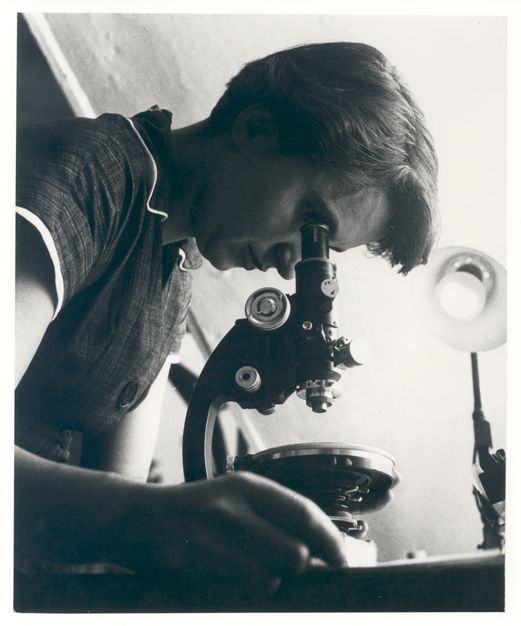
Rosalind Franklin
1920 – 1958

British biologist and DNA pioneer
On October 18, 1962, the Nobel Prize in Medicine was awarded to three men, James Watson, Francis Crick and Maurice Wilkins, for the discovery of the double helix structure of DNA. However, this discovery was made possible by the research of Rosalind Franklin, a British chemist and pioneer of molecular biology, who formulated the DNA helical structure in an unpublished report.

In 1951, Rosalind Franklin took up a post at King’s College London and worked on the structure of DNA in collaboration with the physicist Maurice Wilkins. Through her research, she was the first to demonstrate the double helix structure of DNA...
continue reading

Rosalind Franklin
1920 – 1958

British biologist and DNA pioneer
On October 18, 1962, the Nobel Prize in Medicine was awarded to three men, James Watson, Francis Crick and Maurice Wilkins, for the discovery of the double helix structure of DNA. However, this discovery was made possible by the research of Rosalind Franklin, a British chemist and pioneer of molecular biology, who formulated the DNA helical structure in an unpublished report.

In 1951, Rosalind Franklin took up a post at King’s College London and worked on the structure of DNA in collaboration with the physicist Maurice Wilkins. Through her research, she was the first to demonstrate the double helix structure of DNA...
continue reading

Rosalind Franklin
1920 – 1958

British biologist and DNA pioneer
On October 18, 1962, the Nobel Prize in Medicine was awarded to three men, James Watson, Francis Crick and Maurice Wilkins, for the discovery of the double helix structure of DNA. However, this discovery was made possible by the research of Rosalind Franklin, a British chemist and pioneer of molecular biology, who formulated the DNA helical structure in an unpublished report.

In 1951, Rosalind Franklin took up a post at King’s College London and worked on the structure of DNA in collaboration with...
continue reading

Thérèse Clerc
1927-2016

Activist for the rights of elderly women, the third wave of feminism
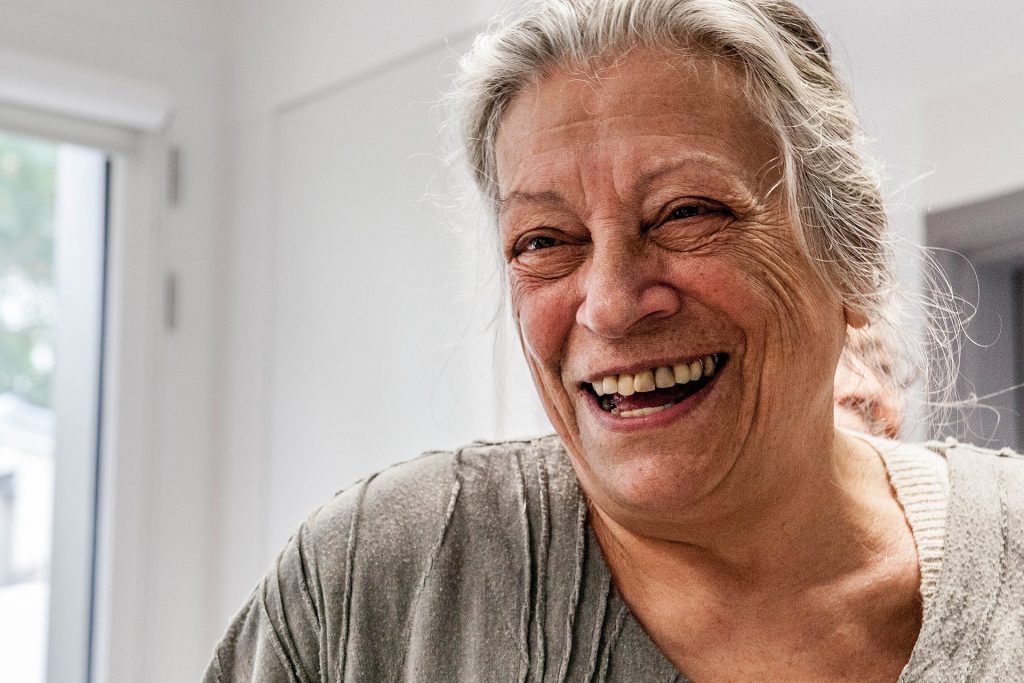
Thérèse Clerc, was a French feminist activist, born on December 9, 1927 in Paris and died on February 16, 2016 in Montreuil, who worked to defend the rights of women, and more specifically those of older women.

At the age of 20, she learned the fashion design profession and married a small entrepreneur who owned an industrial cleaning business. At the turn of May 1968, she advocated for free abortion and contraception within the MLAC movement (Movement for Free Abortion and Contraception). A year later, in 1969, she divorced her husband and bought an apartment in Montreuil, where she performed abortions for free.

Always with the aim of helping women, in 2000, she founded in Montreuil the “House of Women” open to women of all ages, victims of violence, in insertion or reinsertion. Then, in the same year, still in Montreuil, she wanted to found the “House of Babayagas”, an “anti-retirement house” self-managed by the residents, elderly and low-income, around the values of citizenship, secularism, solidarity, ecology and feminism. But she faced some discrimination because...
continue reading

Thérèse Clerc
1927-2016

Activist for the rights of elderly women, the third wave of feminism
Thérèse Clerc, was a French feminist activist, born on December 9, 1927 in Paris and died on February 16, 2016 in Montreuil, who worked to defend the rights of women, and more specifically those of older women.

At the age of 20, she learned the fashion design profession and married a small entrepreneur who owned an industrial cleaning business. At the turn of May 1968, she advocated for free abortion and contraception within the MLAC movement (Movement for Free Abortion and Contraception). A year later, in 1969, she divorced her husband and bought an apartment in Montreuil, where she performed abortions for free.

Always with the aim of helping women, in 2000, she founded in Montreuil the “House of Women” open to women of all ages, victims of violence, in insertion or reinsertion. Then, in the same year, still in Montreuil, she...
continue reading

Thérèse Clerc
1927-2016

Activist for the rights of elderly women, the third wave of feminism
Thérèse Clerc, was a French feminist activist, born on December 9, 1927 in Paris and died on February 16, 2016 in Montreuil, who worked to defend the rights of women, and more specifically those of older women.

At the age of 20, she learned the fashion design profession and married a small entrepreneur who owned an industrial cleaning business. At the turn of May 1968, she advocated for free abortion and contraception within the MLAC movement (Movement for...
continue reading

Dimitrana Ivanova
1881 – 1960

If you want to know what perseverance looks like, read her story.
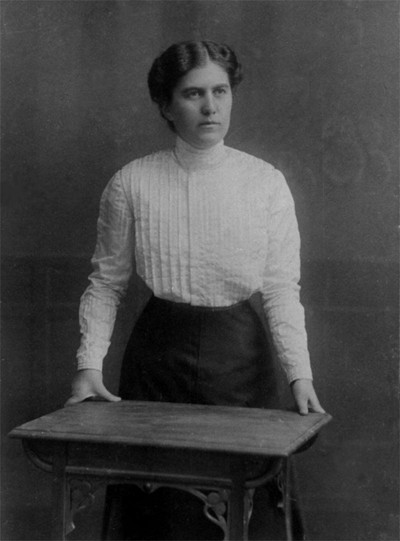
Dimitrana Ivanova, maiden name Petrova, was the daughter of a craftsman and trader and of a priest’s daughter. She was born in Rousse, a big city in Bulgaria at the time, and she graduated the high school for girls there. She married Doncho Ivanov in 1914, thus becoming Dimitrana Ivanova.

Because at the time the high school for girls had one grade less than the boys, this would serve as a pretext to deny women access to higher education at the Bulgarian University in Sofia, so Dimitrana had no other choice but to enroll in a foreign university, Zurich University in Switzerland, where she took pedagogy and philosophy classes. Due to several family tragedies and her family’s bankruptcy, she had to return home before her final exam and could not get back to take it, so she did not graduate. She was forced to seek employment and she became a teacher, passing all the legally required exams to become one. As a teacher, Dimitrana’s career was often affected by several discriminatory laws (married women were not allowed to work; later they were permitted to work after getting married, but they had to accept a reduced salary; female teachers had to retire by the age of 40 and the number of female teachers in a certain district could not exceed the number of male teachers).
continue reading

Dimitrana Ivanova
1881 – 1960

If you want to know what perseverance looks like, read her story.
Dimitrana Ivanova, maiden name Petrova, was the daughter of a craftsman and trader and of a priest’s daughter. She was born in Rousse, a big city in Bulgaria at the time, and she graduated the high school for girls there. She married Doncho Ivanov in 1914, thus becoming Dimitrana Ivanova.

Because at the time the high school for girls had one grade less than the boys, this would serve as a pretext to deny women access to higher education at the Bulgarian University in Sofia, so Dimitrana had no other choice but to enroll in a foreign university, Zurich University in Switzerland, where she took pedagogy and philosophy classes. Due to several family tragedies and her family’s bankruptcy, she had to return home before her final exam and could not get back to take it, so she did not graduate. She was forced to seek employment and she became a teacher, passing all the legally required exams to become one. As a teacher, Dimitrana’s career was often affected by several discriminatory laws...
continue reading

Dimitrana Ivanova
1881 – 1960

If you want to know what perseverance looks like, read her story.
Dimitrana Ivanova, maiden name Petrova, was the daughter of a craftsman and trader and of a priest’s daughter. She was born in Rousse, a big city in Bulgaria at the time, and she graduated the high school for girls there. She married Doncho Ivanov in 1914, thus becoming Dimitrana Ivanova.

Because at the time the high school for girls had one grade less than the boys, this would serve as a pretext to deny women access to higher education at the Bulgarian University in Sofia, so Dimitrana had no other choice but to enroll in a foreign university, Zurich...
continue reading

Florica Bagdasar
1901 – 1978

A doctor, a politician, the first female minister in Romania, a person who led to change everywhere she had been.
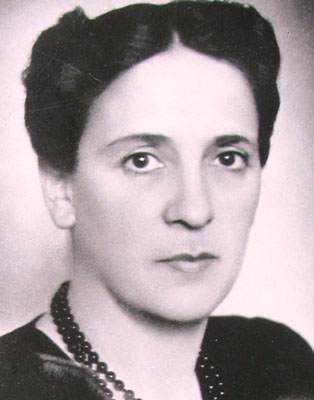
Florica Bagdasar, maiden name Ciumetti, was born in Monastir, now Macedonian territory, in a Macedo-Romanian family – Romanians originating from the South of Danube. Because of World War I, the family was forced to move a lot and after attending different secondary schools, she finally graduated in 1925 from the Medicine Faculty in Bucharest.

In 1927 she married a fellow doctor, Dumitru Bagdasar, with whom she soon left to study in the United States, at Harvard University. While there she received a Rockefeller scholarship and specialized in neurosurgery. After their return to Romania, they opened a neurosurgery clinic in Bucharest, which they managed as a team. Further down her professional road, she chose to specialize in infantile neuropsychiatry – a specialty that she would also promote during her teaching position – and elaborated several educational materials for children.
continue reading

Florica Bagdasar
1901 – 1978

A doctor, a politician, the first female minister in Romania, a person who led to change everywhere she had been.
Florica Bagdasar, maiden name Ciumetti, was born in Monastir, now Macedonian territory, in a Macedo-Romanian family – Romanians originating from the South of Danube. Because of World War I, the family was forced to move a lot and after attending different secondary schools, she finally graduated in 1925 from the Medicine Faculty in Bucharest.

In 1927 she married a fellow doctor, Dumitru Bagdasar, with whom she soon left to study in the United States, at Harvard University. While there she received a Rockefeller scholarship and specialized in neurosurgery. After their return to Romania, they opened a neurosurgery clinic in Bucharest, which they managed as a team. Further down her professional road, she chose to specialize in infantile neuropsychiatry – a specialty that she would also promote during her teaching position – and elaborated several educational materials for children.
continue reading

Florica Bagdasar
1901 – 1978

A doctor, a politician, the first female minister in Romania, a person who led to change everywhere she had been.
Florica Bagdasar, maiden name Ciumetti, was born in Monastir, now Macedonian territory, in a Macedo-Romanian family – Romanians originating from the South of Danube. Because of World War I, the family was forced to move a lot and after attending different secondary schools, she finally graduated in 1925 from the Medicine Faculty in Bucharest.

In 1927 she married a fellow doctor, Dumitru Bagdasar, with whom she soon left to study in the United States, at Harvard University. While there she received a Rockefeller scholarship and specialized in...
continue reading

Elisabeta Rizea
1912 – 2003

Despite suffering severe torture, she kept defending her beliefs and supported a group of anti-communist partisans.
Elisabeta was born into a family of peasants (Șuța) in a village in Southern Romania – Domnești, Argeș county. She got married at 19 years old and took the last name of her husband, Gheorghe Rizea.

She was set on track for an ordinary country life, but little did she know that the end of World War II would mean the beginning of her own war with the communist authorities, imposed by the Soviet army during that time. Her uncle, a local leader of the National Peasants’ Party, was killed by the secret police, which led her husband to join an anti-communist guerilla group, led by Colonel Gheorghe Arsenescu. Thus, Elisabeta became an informant and supplies provider for the group.
continue reading

Elisabeta Rizea
1912 – 2003

Despite suffering severe torture, she kept defending her beliefs and supported a group of anti-communist partisans.
Elisabeta was born into a family of peasants (Șuța) in a village in Southern Romania – Domnești, Argeș county. She got married at 19 years old and took the last name of her husband, Gheorghe Rizea.

She was set on track for an ordinary country life, but little did she know that the end of World War II would mean the beginning of her own war with the communist authorities, imposed by the Soviet army during that time. Her uncle, a local leader of the National Peasants’ Party, was killed by the secret police, which led her husband to join an anti-communist guerilla group, led by Colonel Gheorghe Arsenescu. Thus, Elisabeta became an informant and supplies provider for the group.
continue reading

Elisabeta Rizea
1912 – 2003

Despite suffering severe torture, she kept defending her beliefs and supported a group of anti-communist partisans.
Elisabeta was born into a family of peasants (Șuța) in a village in Southern Romania – Domnești, Argeș county. She got married at 19 years old and took the last name of her husband, Gheorghe Rizea.

She was set on track for an ordinary country life, but little did she know that the end of World War II would mean the beginning of her own war with the communist authorities, imposed by the Soviet army during that time. Her uncle, a local leader of the National Peasants’ Party, was killed by...
continue reading

María Goyri
1873 – 1954

The fact that she was a woman put her in the shadow of the famous man - her husband.
Researcher, philologist, educator, writer and active advocate of women’s rights. She is the first woman to graduate from a Spanish university with a degree in philosophy and writing. Her studies on Spanish ballads, carried out with her husband Ramón Menéndez Pidal, laid the foundations for research in the field, although only her husband’s name became known. She was also one of the first women to go to a gym to fight the arthritis she suffered from at a young age, a very unusual activity for a girl at that time.

Maria Goyri was born in Madrid and raised by her mother who made sure that her daughter received a very well planned and organised education at home. She continued her formal education and received the titles of Governess and Professor of Commerce as well as the title of a teacher. First, she attended the Faculty of Philosophy and Letters without enrolling, and a year later applied for permission to open a women’s study programme. The authorization was granted, but on the condition that she wouldn’t communicate with male students, enter the classroom next to the professor, and sit in a separate chair next to him during class. She was the first official female student...
continue reading

María Goyri
1873 – 1954

The fact that she was a woman put her in the shadow of the famous man - her husband.
Researcher, philologist, educator, writer and active advocate of women’s rights. She is the first woman to graduate from a Spanish university with a degree in philosophy and writing. Her studies on Spanish ballads, carried out with her husband Ramón Menéndez Pidal, laid the foundations for research in the field, although only her husband’s name became known. She was also one of the first women to go to a gym to fight the arthritis she suffered from at a young age, a very unusual activity for a girl at that time.

Maria Goyri was born in Madrid and raised by her mother who made sure that her daughter received a very well planned and organised education at home. She continued her formal education and received the titles of Governess and Professor of Commerce as well as the title of a teacher. First, she attended the Faculty of Philosophy and Letters without enrolling, and a year later applied for permission to open a women’s study programme. The authorization was granted...
continue reading

María Goyri
1873 – 1954

The fact that she was a woman put her in the shadow of the famous man - her husband.
Researcher, philologist, educator, writer and active advocate of women’s rights. She is the first woman to graduate from a Spanish university with a degree in philosophy and writing. Her studies on Spanish ballads, carried out with her husband Ramón Menéndez Pidal, laid the foundations for research in the field, although only her husband’s name became known. She was also one of the first women to go to a gym to fight the arthritis she suffered from at a young age, a very...
continue reading

María Bernaldo de Quirós
1898 – 1983

As public opinion evolves, people will realize that women can do more than just embroidery.
María de la Salud Bernaldo de Quirós y Bustillo was the first Spanish woman to obtain a pilot's license and to take advantage of the Divorce Law of the Republic.

She came from an aristocratic family and received a good education, but was attracted to aviation at a young age. She was married twice, the first marriage being a real tragedy (she lost her husband and 2 children). During her second marriage, thanks to her friendships in aviation circles, she decided to follow her vocation and started training.

When María enrolled in the Spanish Royal Air Club, she was the only woman out of eighteen students. Her instructor claimed that women lacked the spirit of sacrifice necessary for flying, but he considered María an exceptional student. By the time she received her license, she had already separated from her husband. She was also one of the first women to take advantage of the Divorce Law of the second Republic. Once she had the license...
continue reading

María Bernaldo de Quirós
1898 – 1983

As public opinion evolves, people will realize that women can do more than just embroidery.
María de la Salud Bernaldo de Quirós y Bustillo was the first Spanish woman to obtain a pilot's license and to take advantage of the Divorce Law of the Republic.

She came from an aristocratic family and received a good education, but was attracted to aviation at a young age. She was married twice, the first marriage being a real tragedy (she lost her husband and 2 children). During her second marriage, thanks to her friendships in aviation circles, she decided to follow her vocation and started training.

When María enrolled in the Spanish Royal Air Club, she was the only woman out of eighteen students. Her instructor claimed that women lacked the spirit of sacrifice necessary for flying, but he considered María an exceptional student. By the time she received her license, she had already separated from her husband. She was also one of the first women to take advantage of the Divorce Law of the second Republic. Once she had the license...
continue reading

María Bernaldo de Quirós
1898 – 1983

As public opinion evolves, people will realize that women can do more than just embroidery.
María de la Salud Bernaldo de Quirós y Bustillo was the first Spanish woman to obtain a pilot's license and to take advantage of the Divorce Law of the Republic.

She came from an aristocratic family and received a good education, but was attracted to aviation at a young age. She was married twice, the first marriage being a real tragedy (she lost her husband and 2 children). During her second marriage, thanks to her friendships in aviation circles, she decided to follow her vocation and started training...
continue reading

Maria Lejárraga
1874 – 1974

She was writing and her husband harvesting the glory, fame and money!
Writer, feminist, deputy, polyglot and socialist who opposed to the death penalty and legal prostitution. She advocated for education, work and equal rights for women in Spain. A very open-minded and visionary woman who had to pay a high price imposed by her gender.

María Lejárraga comes from the region of La Rioja from an economically stable middle class family. She was able to receive good education and became a teacher. During her teaching career she discovered her passion for writing. She was very talented and ready to share her ideas and stories with the world. But, that´s where she bumped into a big obstacle. At the beginning of the XX century being a female writer was seen as immoral work, especially for an educator. If she had risked meeting her goals, she could have lost her teaching job. She found a solution to this problem in her marriage by publishing her works under her husband's name. So, she was writing and waiting at home and he was the one receiving praise and applause at the premiers of the plays. Before dying, her husband confirmed the rumours circulating in theatre circles that she was the true author of his works.
continue reading

Maria Lejárraga
1874 – 1974

She was writing and her husband harvesting the glory, fame and money!
Writer, feminist, deputy, polyglot and socialist who opposed to the death penalty and legal prostitution. She advocated for education, work and equal rights for women in Spain. A very open-minded and visionary woman who had to pay a high price imposed by her gender.

María Lejárraga comes from the region of La Rioja from an economically stable middle class family. She was able to receive good education and became a teacher. During her teaching career she discovered her passion for writing. She was very talented and ready to share her ideas and stories with the world. But, that´s where she bumped into a big obstacle. At the beginning of the XX century being a female writer was seen as immoral work, especially for an educator. If she had risked meeting her goals, she could have lost her teaching job. She found a solution to this problem in her marriage by publishing her works under her husband's name. So, she was writing and waiting at home and he was the one receiving praise and applause at the premiers of the plays. Before dying, her husband confirmed the rumours circulating in theatre circles that she was the true author of his works.
continue reading

Maria Lejárraga
1874 – 1974

She was writing and her husband harvesting the glory, fame and money!
Writer, feminist, deputy, polyglot and socialist who opposed to the death penalty and legal prostitution. She advocated for education, work and equal rights for women in Spain. A very open-minded and visionary woman who had to pay a high price imposed by her gender.

María Lejárraga comes from the region of La Rioja from an economically stable middle class family. She was able to receive good education and became a teacher. During her teaching career she discovered her passion for writing. She was very...
continue reading